Behavioral Data Patterns Fueling Targeted Incentives in Regulated Mobile Gambling Systems
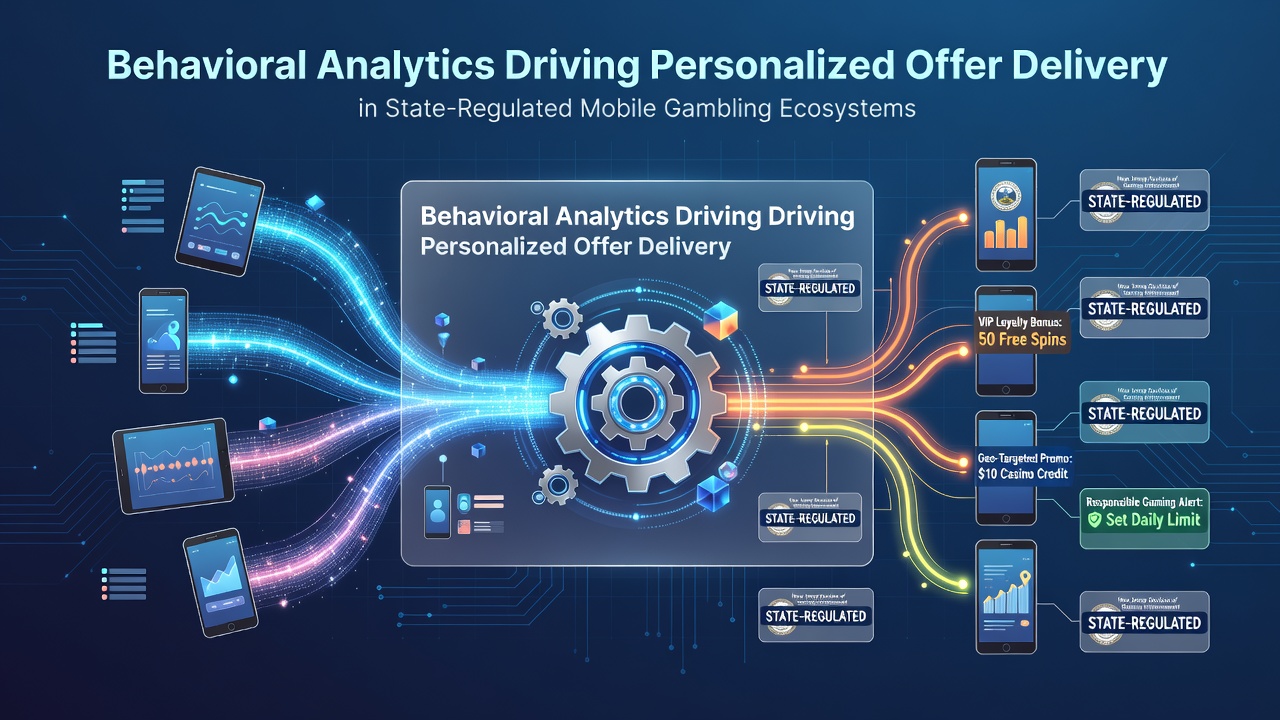
State-regulated mobile gambling platforms now rely on detailed behavioral analytics to deliver customized offers that match individual player patterns, and this approach has expanded across multiple US jurisdictions by October 2026. Data collection tracks session duration, bet sizes, game preferences, and deposit frequency, while algorithms process these signals to generate promotions such as tailored free spins or deposit matches. Regulators in states like New Jersey and Pennsylvania require operators to maintain transparency in data usage, which ensures compliance with consumer protection standards set by bodies including the New Jersey Division of Gaming Enforcement.
Operators collect raw interaction logs through app interfaces and then apply machine learning models to identify segments such as high-frequency slot players or weekend sports bettors. These models predict likely responses to specific incentives, allowing platforms to time offers during periods when engagement typically drops. Evidence from industry reports shows that such segmentation increases retention rates without violating state-imposed spending limits.
Data Collection and Processing Methods
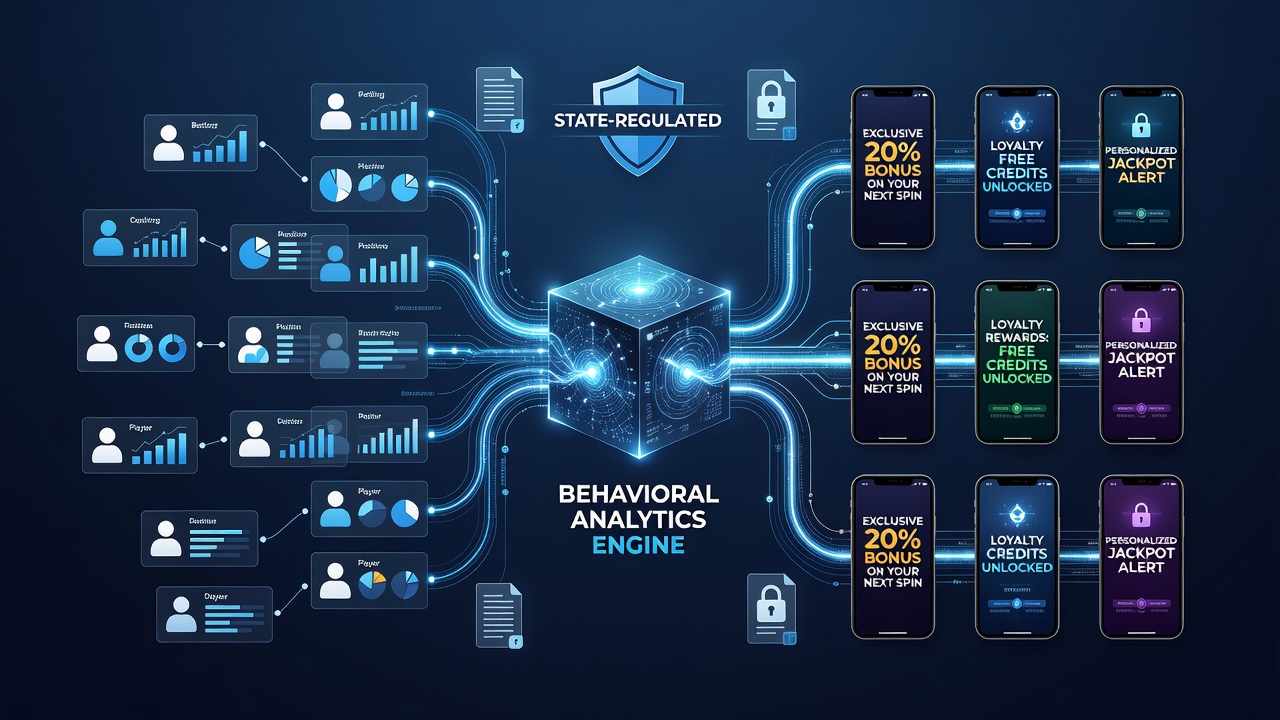
Apps record every tap, swipe, and wager in structured databases that feed into analytics engines, and these systems strip away personally identifiable information before analysis begins. Researchers at academic institutions have documented how clustering techniques group users by similar activity curves, which then informs the creation of offer tiers. For instance, one study revealed that players who complete at least three sessions per week respond more readily to loyalty point multipliers than to one-time bonuses.
Geolocation verification runs continuously alongside behavioral tracking to confirm users remain within approved state boundaries, while encryption protocols protect the transmitted datasets. This dual layer of location and behavior data supports precise delivery of promotions that align with both regulatory geography and individual habits.
Personalized Offer Delivery Mechanisms
Push notifications and in-app banners serve as primary channels for delivering these analytics-driven incentives, and timing algorithms calculate optimal moments based on historical open rates. A player who tends to log in during evening hours might receive a targeted reload bonus shortly before that window, whereas morning users encounter different structures. Systems also adjust offer value according to recent deposit patterns to avoid exceeding responsible gaming thresholds established by state oversight agencies.
Cross-platform synchronization ensures that behavior captured on a smartphone carries over to tablet sessions, which maintains consistent personalization across devices. Data indicates that such continuity reduces friction in the user journey and supports steady engagement within the regulated ecosystem.
Regulatory Oversight and Compliance in October 2026
By October 2026, state gaming commissions have updated guidelines that specifically address algorithmic transparency in promotional targeting, and operators must submit audit reports detailing how behavioral models avoid discriminatory practices. These requirements draw from frameworks developed in jurisdictions such as Ontario, where iGaming Ontario publishes quarterly compliance summaries that include data usage statistics. Similar standards appear in emerging Australian state regulations that emphasize player consent for behavioral profiling.
Audit trails document every offer generation step, allowing regulators to verify that promotions remain within legal advertising boundaries. Observers note that this documentation process integrates with existing responsible gaming tools, such as deposit limits and self-exclusion lists, to create layered safeguards.
Examples Across Jurisdictions
In Pennsylvania, one operator applied clustering analysis to reward frequent table game participants with customized tournament entries, which led to measurable increases in session length according to internal metrics shared with the Pennsylvania Gaming Control Board. Meanwhile, New Jersey platforms have tested predictive models that flag potential churn and counter it with behavior-specific free play credits. These implementations demonstrate how analytics operate within distinct regulatory environments while sharing common technical foundations.
International comparisons highlight additional approaches, such as those used by Canadian provincial systems that incorporate academic research on gambling behavior into their oversight models. Such cross-regional learning helps refine algorithms to respect varying cultural and legal contexts.
Conclusion
Behavioral analytics continue to shape how state-regulated mobile gambling platforms deliver personalized offers, with ongoing refinements driven by both technological capability and regulatory mandates. Data processing techniques, delivery channels, and compliance structures work together to support targeted incentives that remain within established legal parameters. As systems evolve through October 2026 and beyond, the integration of location verification, consent management, and audit requirements ensures these tools function within controlled environments across multiple jurisdictions.