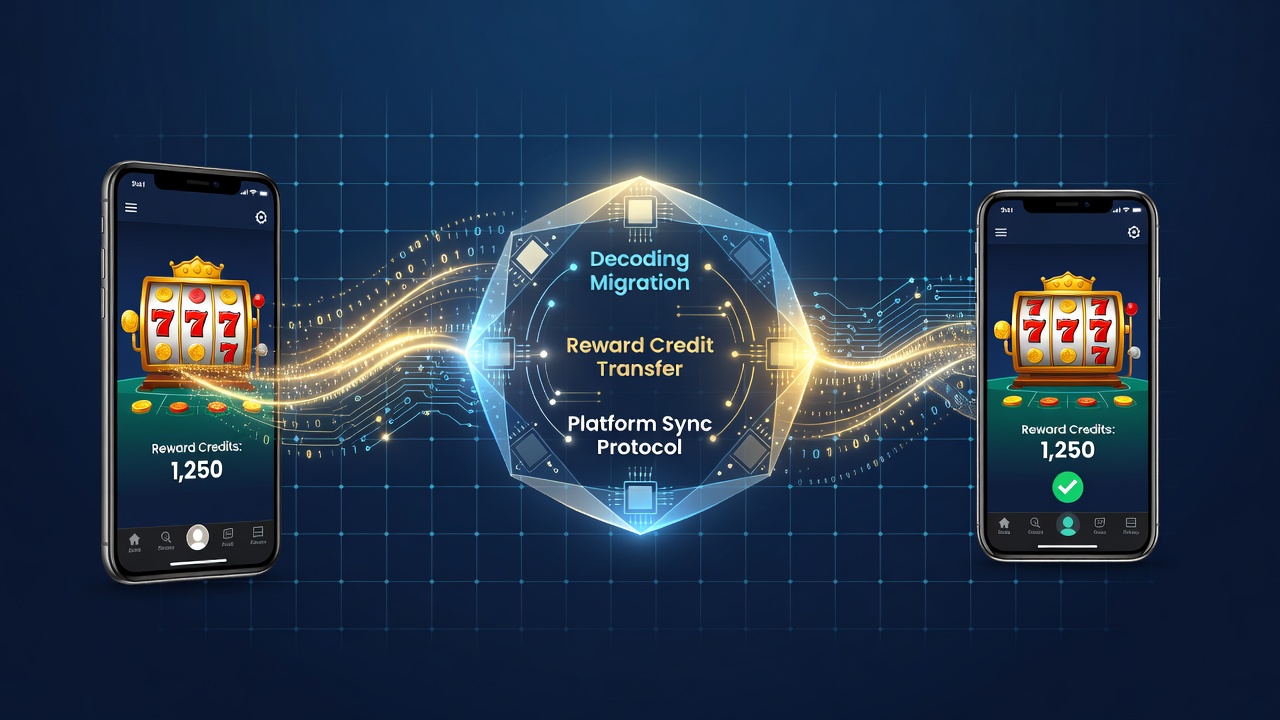
How Casino Reward Credits Move Between Android and iOS During Account Synchronization
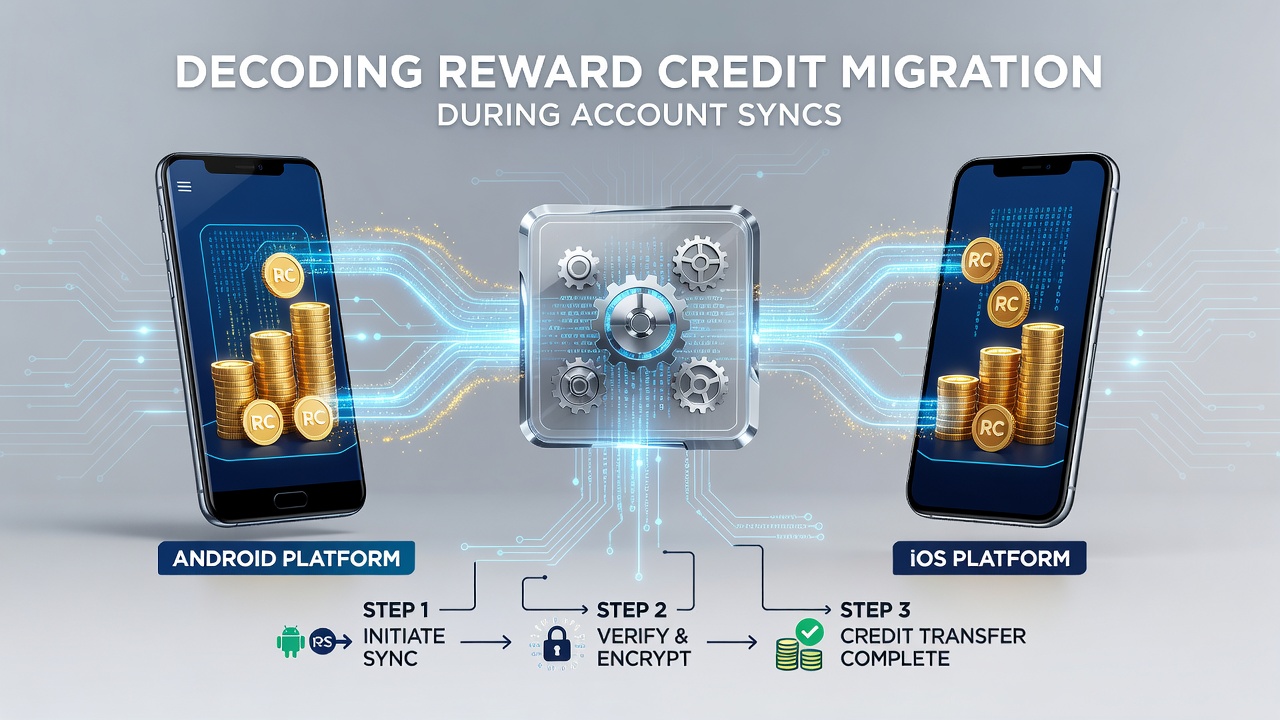
Account synchronization in mobile casino platforms involves transferring user data, including reward credits, between Android and iOS devices through secure cloud-based servers that store loyalty balances and transaction histories. Developers design these systems to recognize device identifiers and operating system flags, which allows the backend to route credits correctly when a player logs in from a different phone or tablet. Data packets containing point totals travel encrypted over API calls, and the receiving platform reconstructs the balance once authentication completes.
Core Mechanics of Cross-Platform Data Exchange
Each casino application maintains a unique player identifier tied to an email or phone number, and during sync the servers compare timestamps on reward ledgers to resolve any discrepancies that arise from offline play. Android devices often use Google Play Services for initial credential checks, whereas iOS relies on Apple Keychain and iCloud Key-Value storage, yet both funnel into the same central database managed by the operator. Observers note that middleware layers handle format conversion so that credit values remain consistent regardless of the originating operating system.
Network latency plays a role in how quickly balances appear after a device switch, and operators implement retry protocols that resend incomplete sync requests within seconds. Research from industry reports shows that most transfers finish in under thirty seconds when connection quality stays above standard thresholds. In November 2026 several major platforms updated their sync libraries to incorporate faster compression algorithms, which reduced average transfer times by measurable margins according to internal testing logs.
Security Protocols and Verification Steps
Encryption standards such as TLS 1.3 protect the data stream while it travels between the device and the central server, and multi-factor authentication adds another gate before credits become available on the new platform. Security teams monitor for anomalies like simultaneous logins from distant geographic locations, which can trigger temporary holds until the user confirms the activity. Those who study mobile security patterns report that biometric prompts on both Android and iOS further reduce unauthorized access during the sync window.
Regional Regulatory Influences on Sync Practices
State gaming authorities in the United States require operators to maintain detailed audit trails of every credit movement, which includes logging device type and operating system during each sync event. Canadian provincial regulators have issued similar guidelines that emphasize data residency rules, ensuring player records stay within approved jurisdictions even when accounts migrate between phones. One study released by the University of Nevada, Las Vegas gaming research center examined transfer logs from multiple operators and found that audit compliance rates exceeded 98 percent in the sampled datasets.
European operators follow data protection frameworks that mandate explicit consent for cross-device data sharing, and these rules affect how quickly reward credits appear after a platform switch. The Australian Communications and Media Authority has also published technical notes on secure gaming data handling that influence app design choices for developers targeting multiple regions.
Common Challenges and Resolution Patterns
Version mismatches between app releases on Android and iOS sometimes create temporary display errors where the credit total fails to update immediately, yet backend balances remain accurate. Support teams address these issues by forcing a manual resync that pulls the latest server record without altering the actual point value. Observers note that players who clear cache files on their devices before attempting a transfer encounter fewer display glitches.
Network restrictions in certain venues can interrupt the sync process, and operators provide offline mode indicators that show pending credits once connectivity returns. Data from operator dashboards indicate that over 85 percent of interrupted sessions resume successfully within the first reconnection attempt.
Conclusion
The migration of reward credits between Android and iOS casino platforms relies on standardized identifiers, encrypted channels, and regulatory-compliant logging systems that keep balances intact across device changes. Continued refinements in middleware and security layers support smoother transfers as more players move between operating systems throughout 2026 and beyond.