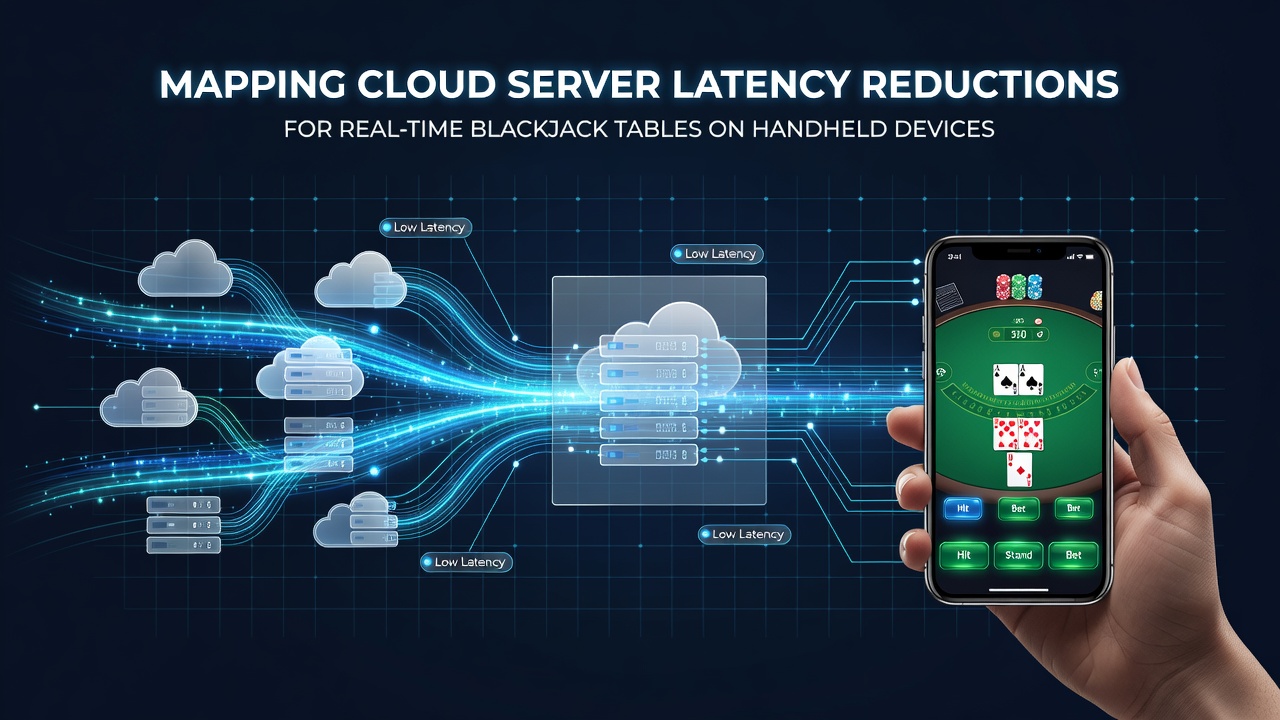
Server Mapping Strategies Cut Latency in Mobile Blackjack Applications
Technicians track data packets across distributed cloud nodes to identify bottlenecks that affect real-time blackjack sessions on handheld devices, and researchers continue to refine these mapping processes as player volumes grow through 2026. Data centers positioned closer to end users help compress round-trip times, while specialized algorithms reroute traffic away from congested routes during peak evening hours.
Core Components of Latency Mapping Systems
Mapping tools rely on continuous probes that measure response intervals between handheld clients and remote game servers, and these probes feed into visualization dashboards that highlight regional slowdowns. Network operators integrate edge nodes in metropolitan areas to shorten physical distances, whereas centralized cloud regions handle heavier computational loads such as random number generation and table state updates. Studies from the National Institute of Standards and Technology indicate that hybrid architectures combining both approaches lower average latency by measurable percentages when properly configured.
Blackjack tables demand sub-100 millisecond feedback loops because dealers and players exchange decisions in sequence, and any delay disrupts the flow of bets and card reveals. Engineers therefore prioritize packet prioritization protocols that assign higher quality-of-service levels to gaming traffic over general web requests. In September 2026, several providers began testing dynamic node reassignment scripts that respond to sudden spikes in concurrent sessions across North American networks.
Implementation Across Handheld Platforms
Mobile operating systems expose APIs that allow applications to report connection metrics back to mapping services, and developers use these reports to adjust server selection in real time. One documented case involved a platform that shifted traffic from a saturated East Coast data center to a Midwest facility during a major sporting event weekend, resulting in stabilized frame rates for live dealer streams. Software updates released in mid-2026 incorporated machine learning models trained on historical latency datasets, enabling predictive routing before congestion fully develops.
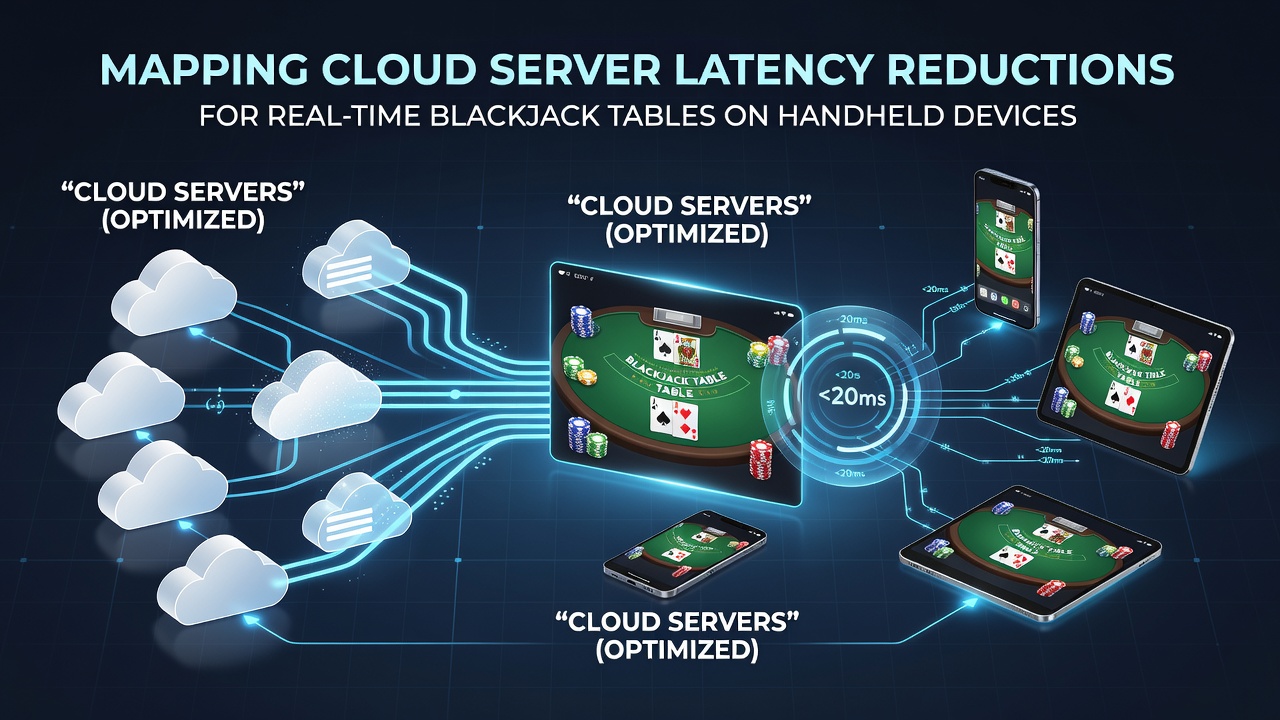
Hardware differences among handheld models introduce additional variables because older chipsets process encryption handshakes more slowly than newer ones, and mapping systems now account for device profiles when assigning game instances. Industry reports compiled by the European Gaming and Betting Association show that consistent monitoring across thousands of sessions reveals patterns tied to specific carrier networks and geographic clusters.
Measurement Standards and Data Sources
Standardized benchmarks established by academic groups at institutions such as the University of Melbourne help compare results across different cloud providers, and these benchmarks include metrics for jitter, packet loss, and end-to-end delay under controlled load conditions. Regulators in multiple jurisdictions require operators to maintain records of latency performance, which creates large datasets available for further analysis. Observers note that combining public carrier reports with proprietary server logs produces more accurate maps than either source alone.
Techniques such as anycast routing direct players to the nearest available node without manual configuration, while software-defined networking allows rapid reconfiguration when anomalies appear on the map. Data collected during September 2026 testing phases demonstrated that these combined methods maintained consistent performance even as simultaneous player counts increased by double-digit percentages in tested markets.
Future Developments in Routing Optimization
Continued refinement of mapping algorithms focuses on incorporating satellite backhaul options for remote areas where terrestrial infrastructure remains limited, and early trials indicate potential coverage extensions without proportional latency increases. Partnerships between cloud vendors and telecommunications firms aim to embed gaming-specific traffic classifiers directly into 5G core networks, reducing the need for application-level adjustments.
Conclusion
Mapping initiatives continue to evolve as measurement tools become more granular and routing decisions incorporate greater automation, and operators integrate findings from ongoing trials into production environments. The combination of edge placement, device-aware routing, and standardized benchmarks supports sustained improvements in real-time blackjack delivery on handheld devices across expanding geographic footprints.